Lakes and ponds are living systems, constantly influenced by weather, runoff, and biological activity. Without proper care, even the most beautiful waterbody can slowly begin to decline—filling with sediment, accumulating nutrients, and losing clarity.
Over time, Mother Nature essentially begins to “reclaim” your pond, transforming it into a stagnant, murky, nutrient-rich compost system.
Unfortunately, many property owners respond to this natural process by treating the symptoms without addressing the deeper ecological issues at play.
The result? Temporary improvements followed by recurring problems like excess nutrients, discoloration, and invasive weeds. A custom lake and pond management plan can help address these issues and maintain the health of your waterbody year-round.
How Can You Keep Your Waterbody Balanced and Beautiful?
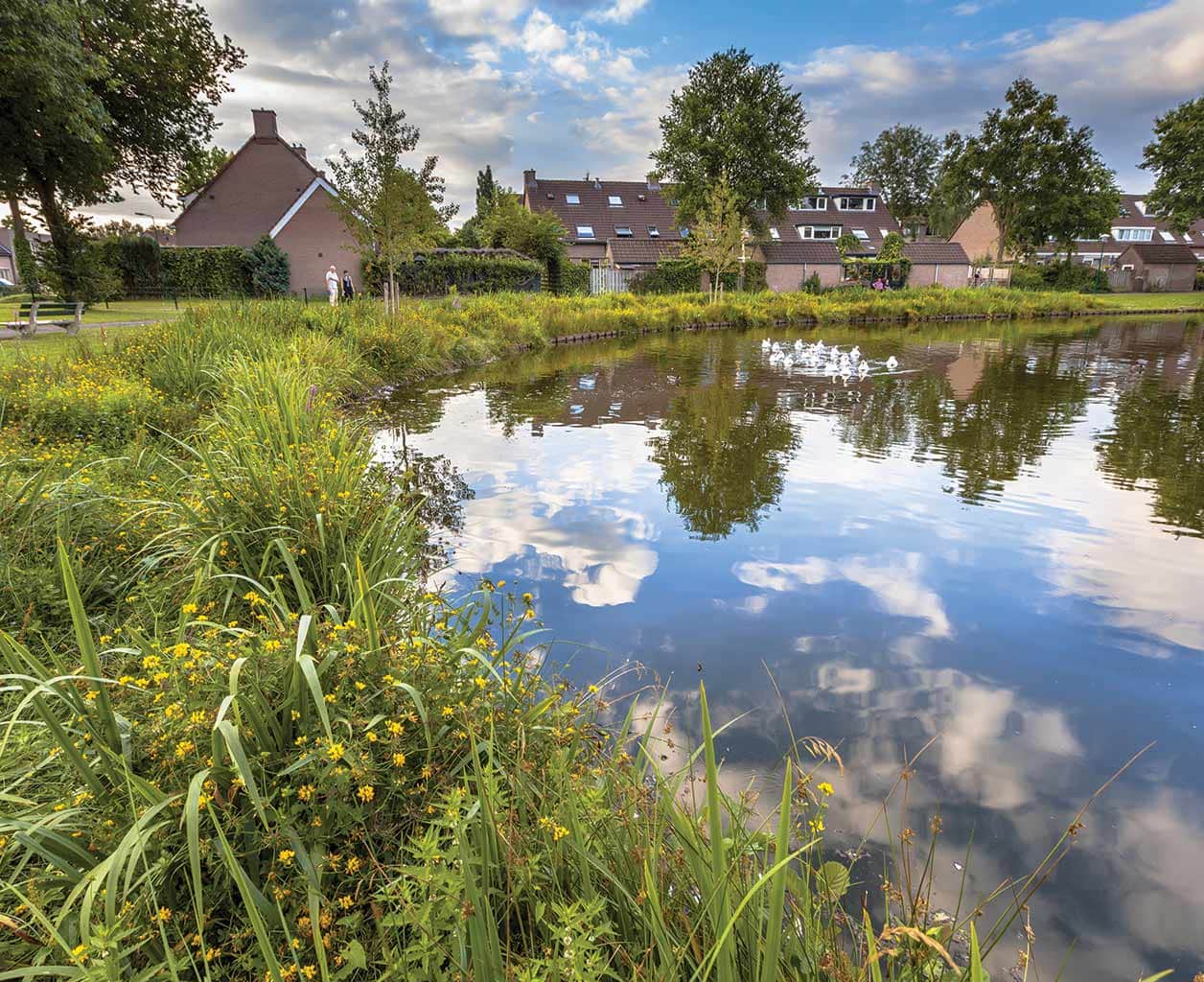
At McCloud Aquatics, we take a different approach; one rooted in aquatic stewardship. With over 60 years of experience, we’ve helped clients transform what one customer described as “horrible mud holes” into “pristine watersheds.”
As true “friends of the water,” we prioritize a proactive, science-based plan over quick fixes with our custom lake and pond management plans.
Step 1: Scientific Assessment: Knowing What’s Lurking Beneath
Every successful lake and pond management plan begins with a deep understanding of the waterbody itself. Think of it as analyzing the “DNA” of your pond or lake.
A professional waterbody assessment looks beyond the surface to identify the underlying conditions driving visible issues like algae and murky water.
Surface Acres & Depth
Understanding the true size and depth of a waterbody is far more important than it might seem at first glance. These measurements form the foundation of your lake and pond management plan. Surface acreage determines:
- How much product is needed for treatments
- The scale of aeration or circulation systems
- Overall maintenance requirements
Depth, on the other hand, tells a deeper story. Shallow ponds warm more quickly, often leading to increased algae growth and oxygen fluctuations. Deeper ponds may stratify, creating “dead zones” where oxygen levels drop, and sediment releases nutrients back into the water.
Together, these measurements help determine:
- Treatment timing and dosage accuracy
- Equipment sizing (aerators, fountains, diffusers)
- Long-term cost projections
Without accurate data on size and depth, management becomes inefficient at best and detrimental to your waterbody’s health at worst.
History & Watershed Influences
Every pond has a history that directly impacts its current condition. Does your waterbody overflow during heavy rain? Does it shrink during dry periods? These patterns reveal how water moves through the system and how resilient it is to environmental changes.
Even more important is understanding the area that drains into your pond or lake, also known as the watershed. Runoff from surrounding areas often carries:
- Fertilizers rich in nitrogen and phosphorus
- Grass clippings and organic debris
- Sediment from erosion
- Pollutants from roads and parking lots
In urban and suburban environments, impervious surfaces like driveways and rooftops accelerate runoff, increasing both the volume and speed of water entering the pond.
This creates a constant influx of nutrients, fueling algae blooms, plant overgrowth, and long-term water quality issues. Without addressing watershed inputs, even the best pond treatments will only provide temporary relief.
Sediment Health
Beneath the surface lies one of the most overlooked factors in water quality: sediment. Over time, organic material such as leaves, grass clippings, fish waste, and dead algae settles to the bottom and accumulates into a soft layer known as “muck.”
This muck acts as a nutrient battery that:
- Stores phosphorus and nitrogen
- Releases those nutrients back into the water column
- Continuously fuels algae and plant growth
In addition, decomposing sediment consumes oxygen, contributing to poor water conditions and unpleasant odors. As sediment builds up:
- Water depth decreases
- Habitat quality declines
- Algae blooms become more frequent and severe
Addressing sediment health is essential for breaking the cycle of recurring water quality issues.
Advanced Tools for Depth Mapping
To move beyond guesswork, McCloud Aquatics uses advanced technologies like BioBase depth mapping to gain a complete picture of what’s happening below the surface.
This sonar-based system creates detailed maps of:
- Water depth and contours
- Sediment accumulation zones
- Submerged structures and features
Performed every 5-10 years, this depth mapping provides valuable insights that allow us to track long-term sediment buildup, identify high-risk areas, and plan targeted treatments and restoration efforts. With this level of data, management decisions become precise, strategic, and effective.
Step 2: Defining Clear, Achievable Goals
No two waterbodies are alike. That’s why a successful lake and pond management plan must begin with clearly defined goals that fit the unique qualities of your waterbody. Without them, it’s impossible to measure success or create a strategy that delivers meaningful, long-lasting results.
Most goals fall into one of three primary categories:
Recreation
For those who use their pond or lake for swimming, kayaking, or general enjoyment, water clarity and safety are top priorities. This means:
- Minimizing algae blooms
- Maintaining balanced water chemistry
- Ensuring safe, accessible shorelines
A plan that focuses on recreational goals emphasizes usability, making the water inviting and enjoyable throughout the warmer seasons.
Fisheries
For anglers and pond or lake owners focused on fishing, the goal shifts to creating a balanced aquatic ecosystem. This includes:
- Proper fish stocking ratios
- Healthy forage populations
- Adequate oxygen levels
- Habitat enhancement
Without balance, fish populations can become stunted, overcrowded, or unsustainable. A lake and pond management plan that focuses on fisheries prioritizes a balanced aquatic ecosystem and fish stocking strategies.
Aesthetics
For HOAs, property owners, and estate owners, visual appeal often takes center stage. A well-managed waterbody enhances property value and creates a lasting impression. Key elements include:
- Clear, reflective water
- Defined and stable shorelines
- Decorative features like fountains or aeration displays
- Healthy, controlled vegetation
The goal is a polished, “stately” appearance that elevates the surrounding landscape. By clearly defining these priorities, our team develops a lake and pond management plan that delivers visible results to fit your aesthetic needs.
Step 3: Transparent Financial Planning
A well-designed plan isn’t complete without a clear understanding of cost. One of the biggest challenges in pond management plans is unpredictability.
Without proper planning, small issues can escalate into expensive emergencies, often requiring immediate and costly intervention.
Our Proactive Approach to Cost
McCloud Aquatics eliminates uncertainty by developing transparent, all-inclusive financial plans tailored to each waterbody. These plans outline:
- Initial restoration investments (such as sediment reduction or aeration installation)
- Ongoing maintenance costs for treatments and monitoring
- Seasonal service schedules and expectations
This proactive approach allows property owners to:
- Budget with confidence
- Avoid unexpected expenses
- Maintain consistent care throughout the year
Instead of reacting to problems, you’re preventing them. Our goal is a safe, legal, and ethical financial partnership that keeps your waterbody beautiful and healthy, while staying on budget.
Step 4: The Management Strategy: The Tools of the Trade
With a clear assessment and defined goals in place, the next step is implementing the right combination of solutions. This is where science, technology, and experience come together.
Fighting the “Muck Battery”
Sediment buildup is one of the primary drivers of poor water quality and a persistent challenge to overcome. As organic material accumulates, it continuously feeds algae and plant growth, creating a cycle that is difficult to break without intervention.
Mechanical Dredging
Mechanical dredging involves physically removing sediment using heavy equipment. While highly effective, it is typically considered a last resort due to:
- High cost
- Significant disruption to the surrounding area
- Extensive permitting requirements
It is most appropriate when sediment levels are extreme, and other solutions are no longer sufficient.
Bio-Dredging Services
A more sustainable and less invasive alternative is bio-dredging services. This approach enhances natural biological processes to gradually break down organic sediment over time.
Instead of removing muck physically, it is digested biologically, reducing buildup from within.
MuckBiotics
McCloud also utilizes advanced probiotic solutions like MuckBiotics, an eco-friendly probiotic tablet that “digests” organic matter from the bottom up. These beneficial bacteria work by:
- Consuming organic material at the bottom of the pond
- Reducing sediment thickness over time
- Lowering internal nutrient loading
- Improving overall water clarity and quality
Because this process works gradually, it avoids the disruption associated with mechanical dredging while delivering long-term results.
By combining the right tools with a strategic approach, McCloud ensures your waterbody isn’t just treated; it’s restored and sustained for the future.
 The Aeration Engine
 The Aeration Engine
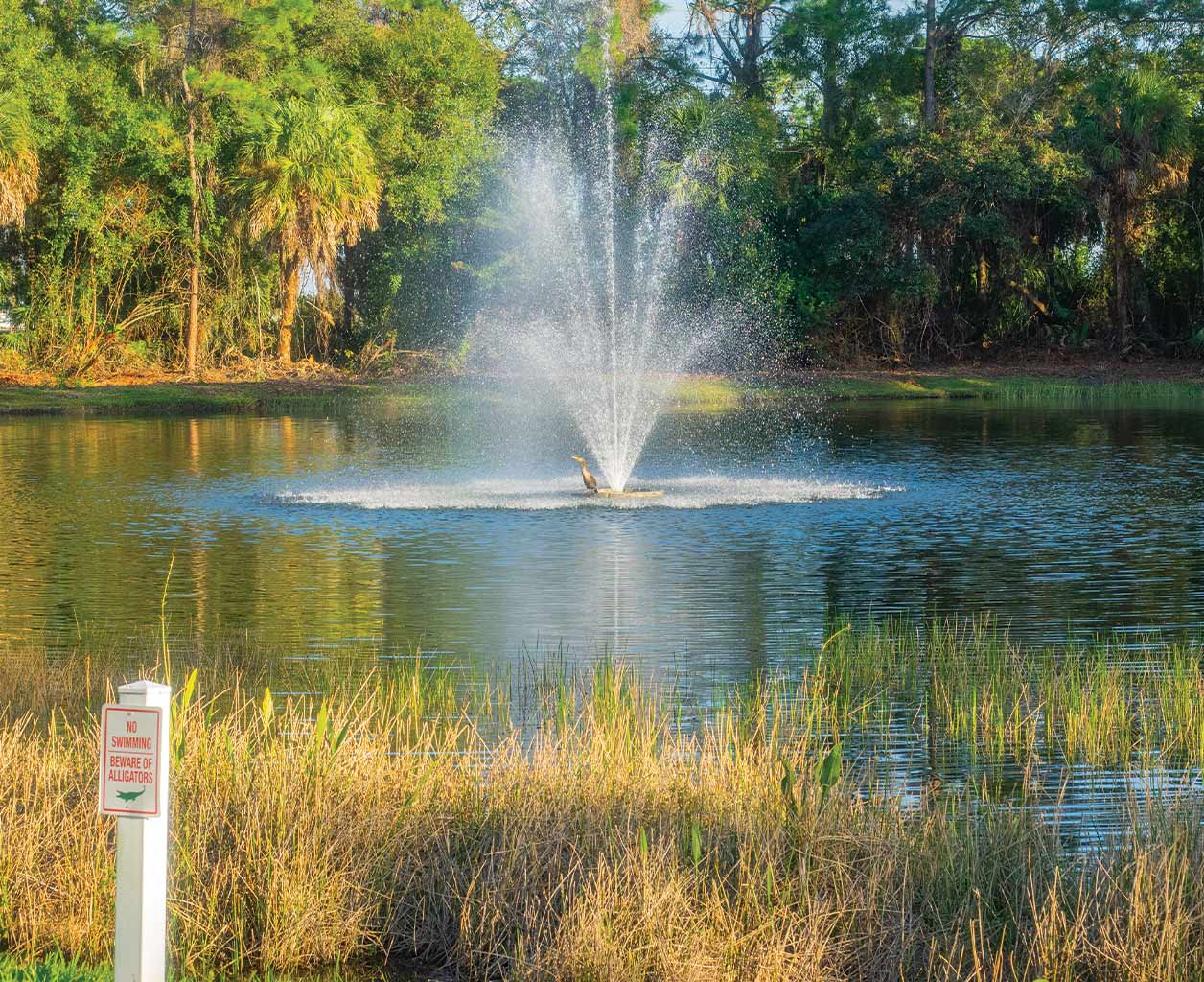
Oxygen is the lifeblood of a healthy waterbody. Without proper circulation, ponds develop “dead zones,” which are areas where oxygen levels are too low to support aquatic life. These zones contribute to foul odors, fish stress, and accelerated nutrient buildup.
Aeration systems, like fountains and bubblers, solve this problem by circulating water and stabilizing dissolved oxygen levels. McCloud Aquatics is a certified service center for leading manufacturers like Kasco, Otterbine, and Vertex, ensuring expert aeration maintenance and long-term system performance.
Step 5: Monitoring & Dynamic Adjustments
A successful Chicagoland lake management plan doesn’t end after installation. Waterbodies are dynamic systems influenced by weather, seasons, and surrounding land use. That means ongoing monitoring is essential. Each season has specific needs for maintaining a healthy lake or pond:
- Spring: Water testing, fish stocking, early vegetation control
- Summer: Algae management, aeration optimization
- Fall: Nutrient reduction, debris removal
- Winter: Equipment protection and aeration maintenance
This is where integrity matters most. Rather than following a rigid schedule, McCloud adjusts your plan based on real-world observations and data. If conditions change, the strategy changes. That’s the difference between maintenance and true stewardship.
Why “Stewardship” Trumps Traditional Contracting
Many companies offer services, but few offer a true partnership. At McCloud Aquatics, every lake and pond management plan is built on four guiding principles:
- Safe: Protecting people, property, and ecosystems
- Legal: Adhering to all state and federal regulations
- Ethical: Prioritizing environmental responsibility
- Advanced: Using the latest science-backed solutions
All treatments utilize EPA-registered products, ensuring compliance and peace of mind. With deep roots and years of experience in Chicagoland, Northern Illinois, and Southern Wisconsin, our team understands the unique challenges of Midwest waterbodies and how to solve them with integrity.
Actions Taken Today Ensure a Clearer Tomorrow
A healthy pond or lake doesn’t happen by accident; it’s the result of consistent care, informed decisions, and long-term commitment. A well-designed lake and pond management plan is more than a quick fix; it’s an investment in the future of your property and environment.
Don’t wait for your pond to become a ‘mud hole.’ Start your journey toward a pristine watershed today. Contact McCloud Aquatics for a custom management plan consultation!