
Frequently Asked Questions
All waterbodies behave differently.
Whether you are purchasing an existing fountain or aerator or planning to build one, understanding the characteristics of the waterbody is critical to making informed decisions.
These waterbody resources provide key considerations for your waterbody. We are happy to answer any questions you may have before buying a property with a fountain or the building process begins.
Latest Posts
Your waterbody is its own ecosystem teeming with life, but keeping it gorgeous and healthy can be intimidating. Dive into the McCloud Aquatics blog to learn more about your pond, crystal-clear waters, thriving aquatic life, and balanced ecosystems.
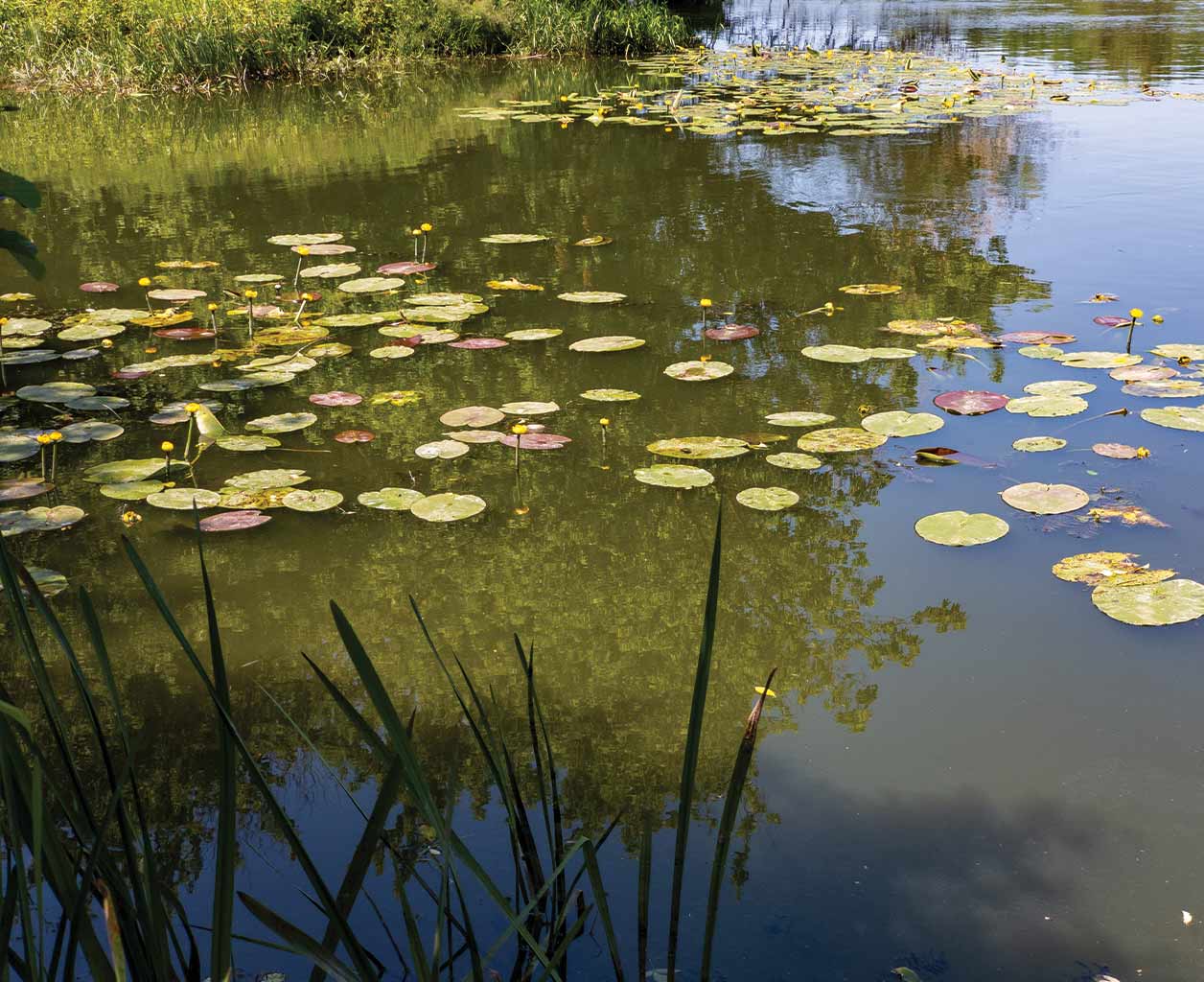
Summer may be winding down, but lake and pond management doesn’t stop when temperatures begin to drop. In fact, fall is an important season [...]
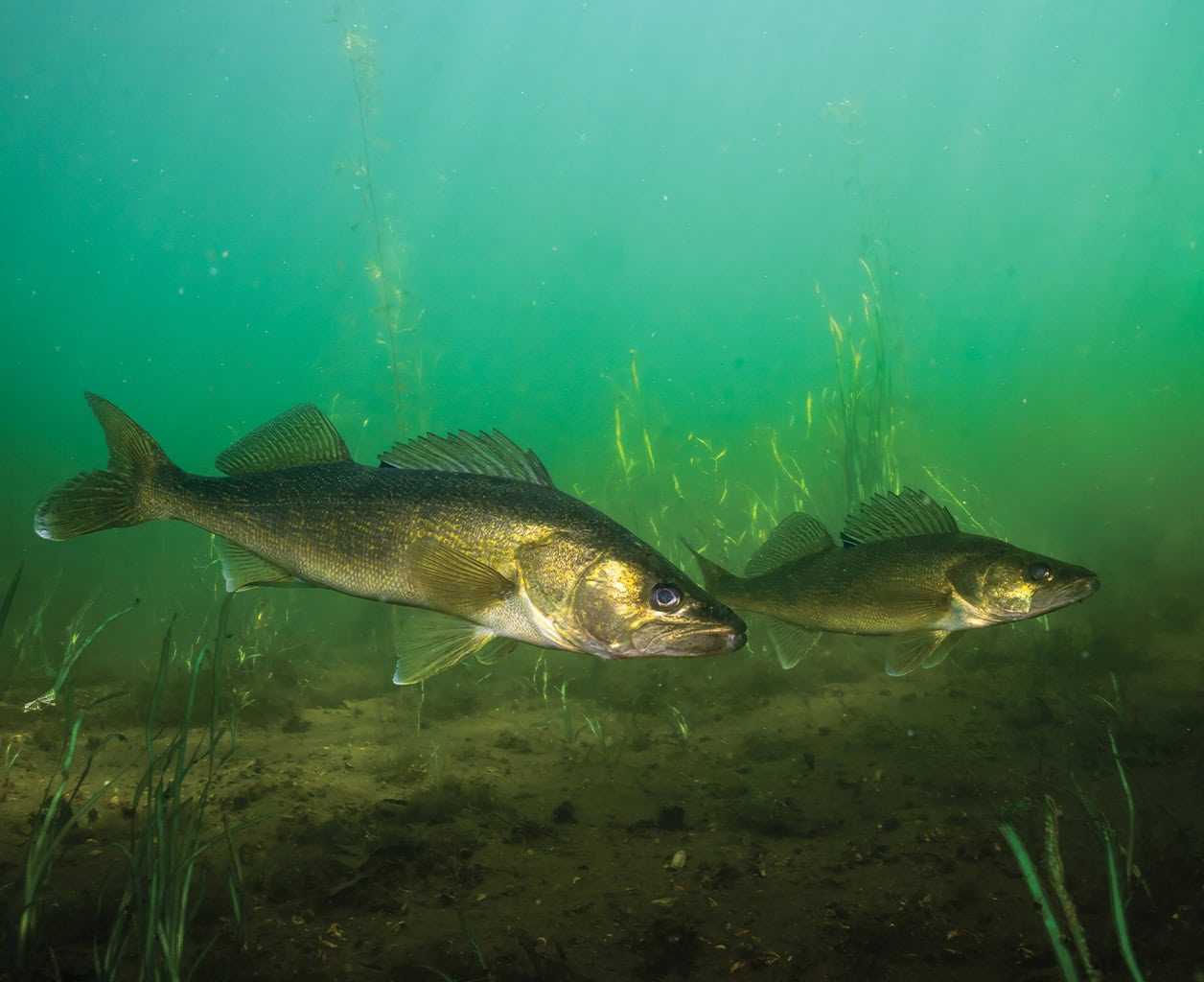
As temperatures cool and another growing season comes to an end, lake and pond owners often turn their attention to fall maintenance. Shoreline restoration, [...]
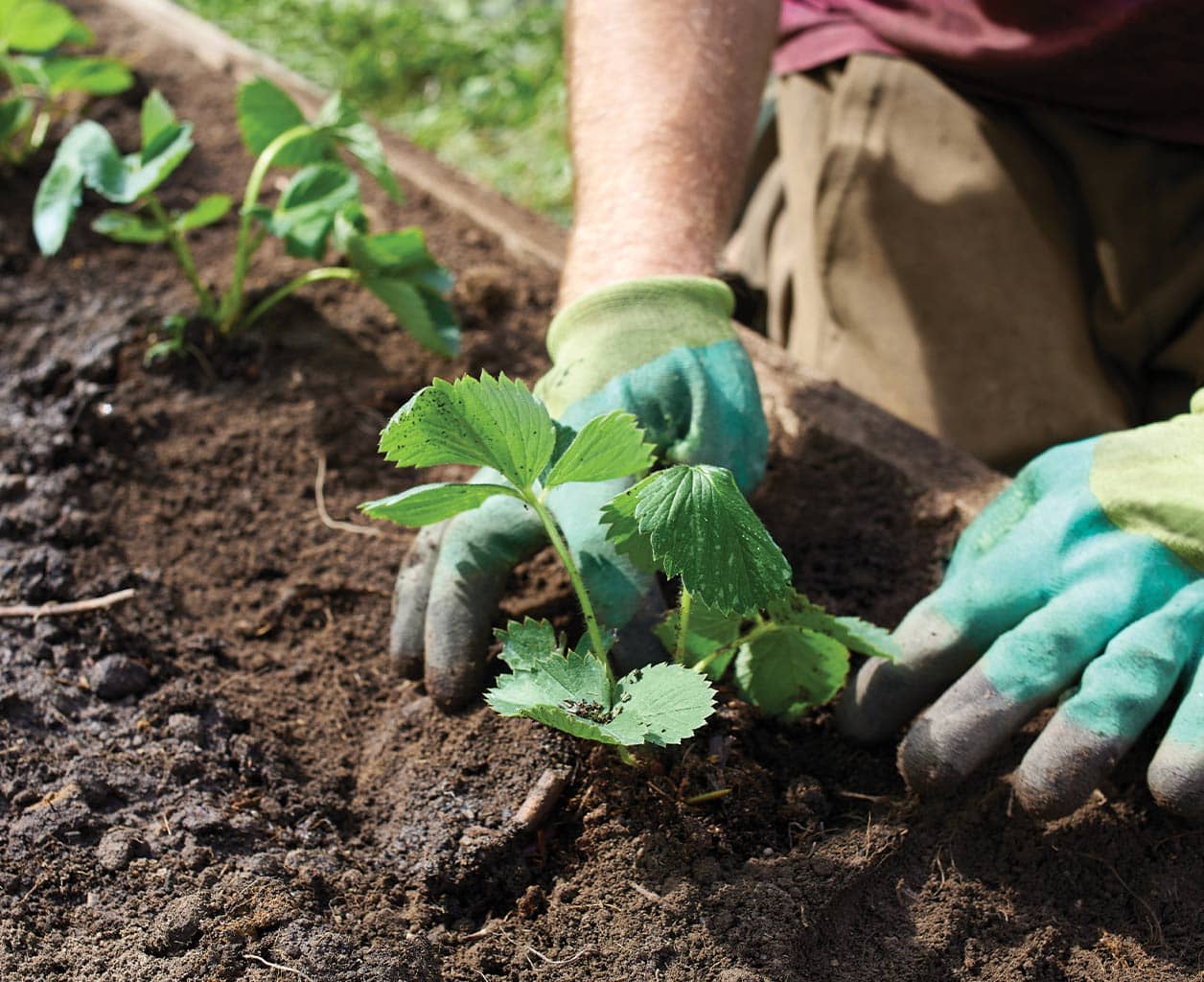
Fall is an important time for establishing native vegetation around lakes, ponds, wetlands, and other natural areas. Cooler conditions provide an opportunity to introduce [...]

Fire might not be the first thing that comes to mind when you think about restoring a shoreline. But when carefully planned and performed by [...]
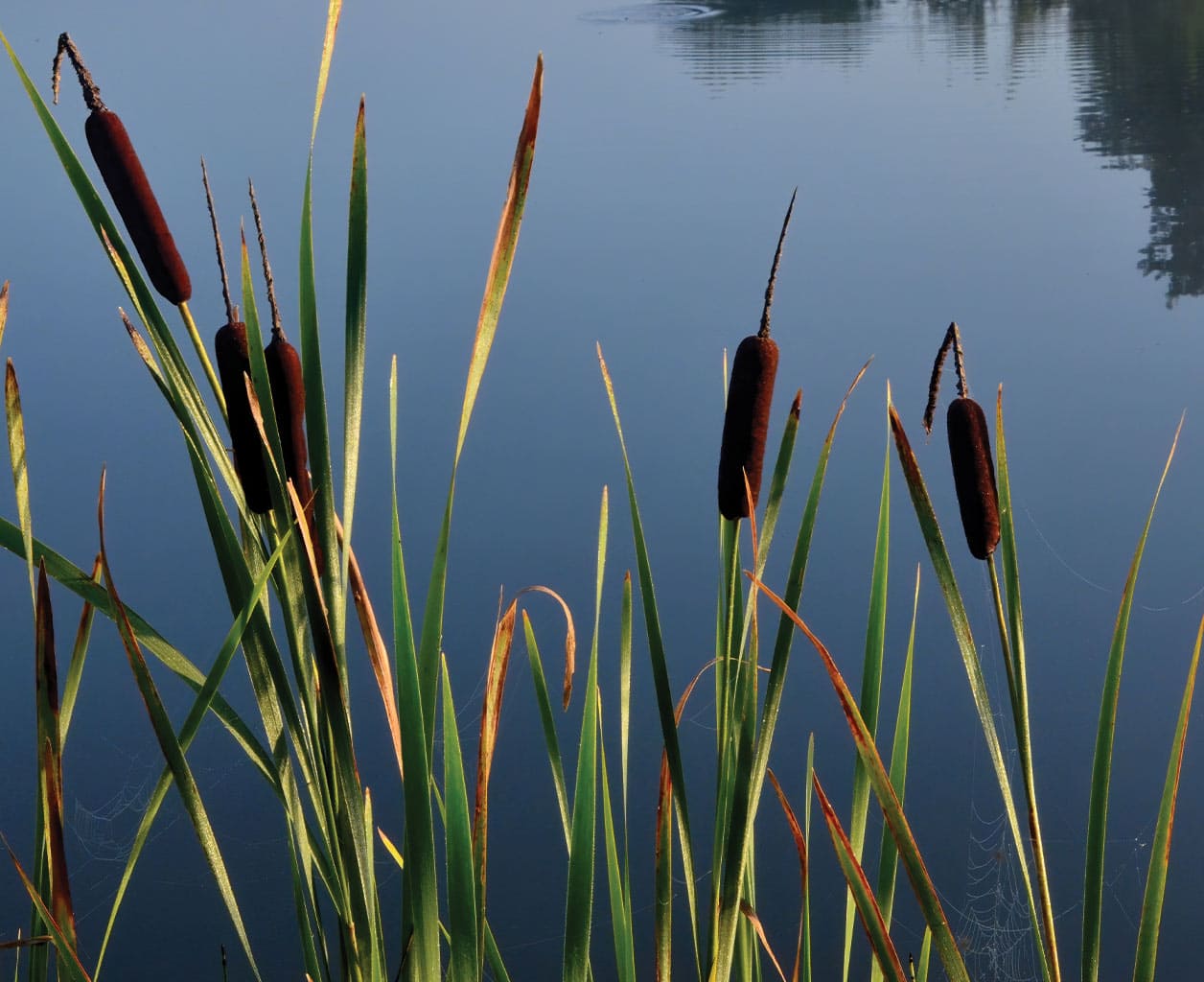
Walk along the shoreline of almost any pond or wetland, and you're likely to find cattails swaying in the breeze. These plants are a [...]
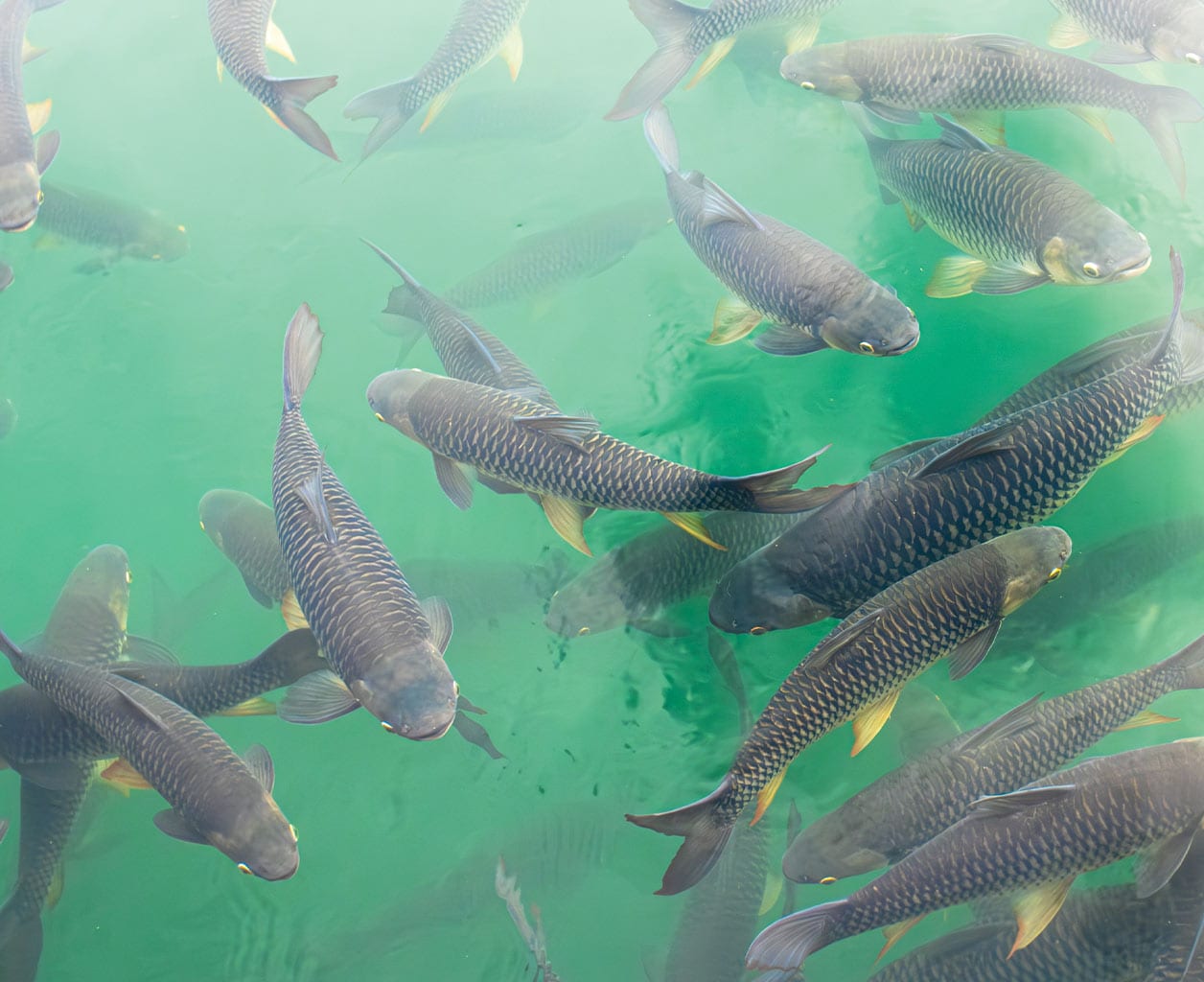
Summer is one of the best times to enjoy your pond or lake, but it's also one of the most stressful seasons for fish [...]
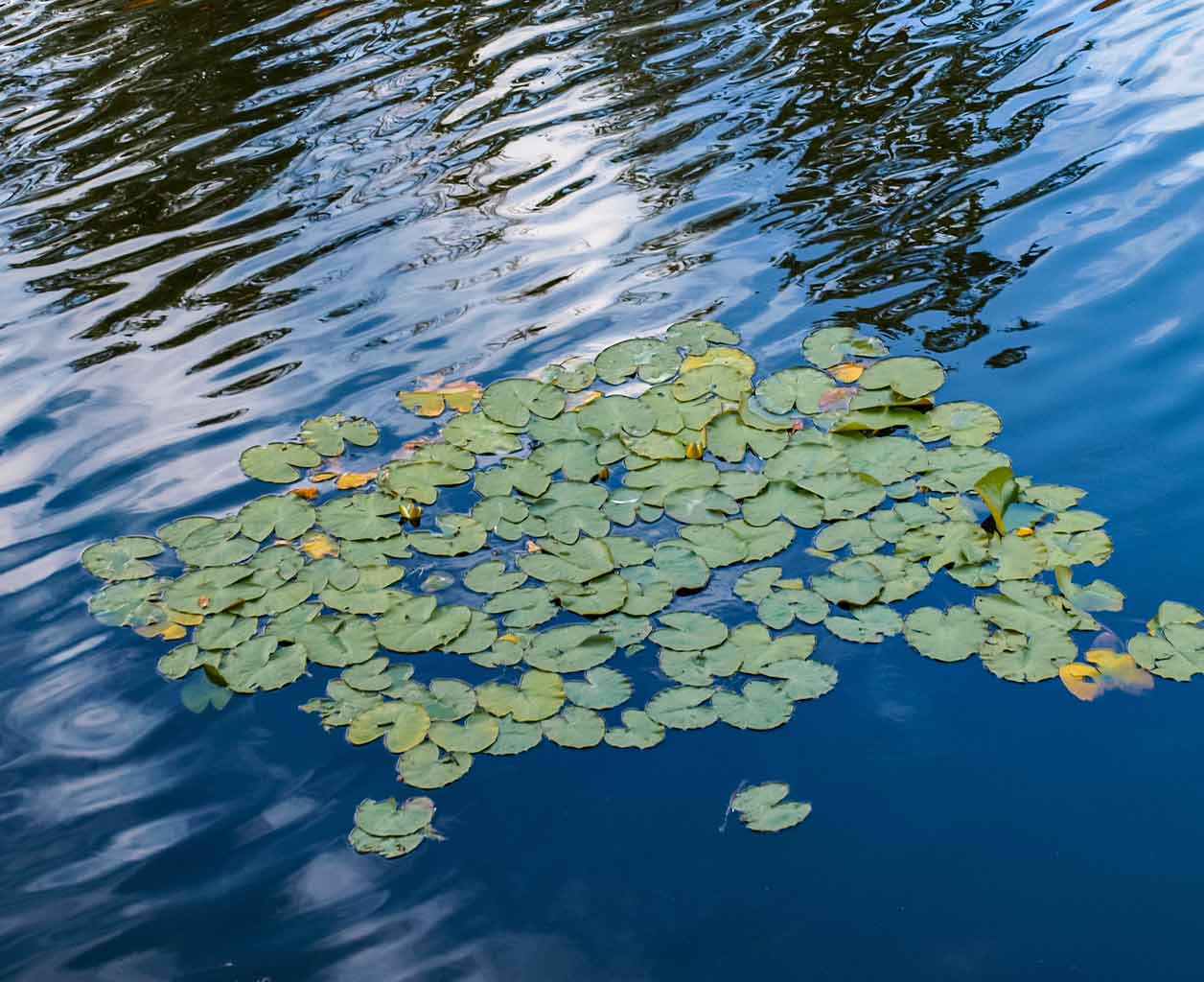
Aquatic plants are an important part of a healthy pond ecosystem. They provide habitat for fish and wildlife, help stabilize sediments, and contribute to overall [...]
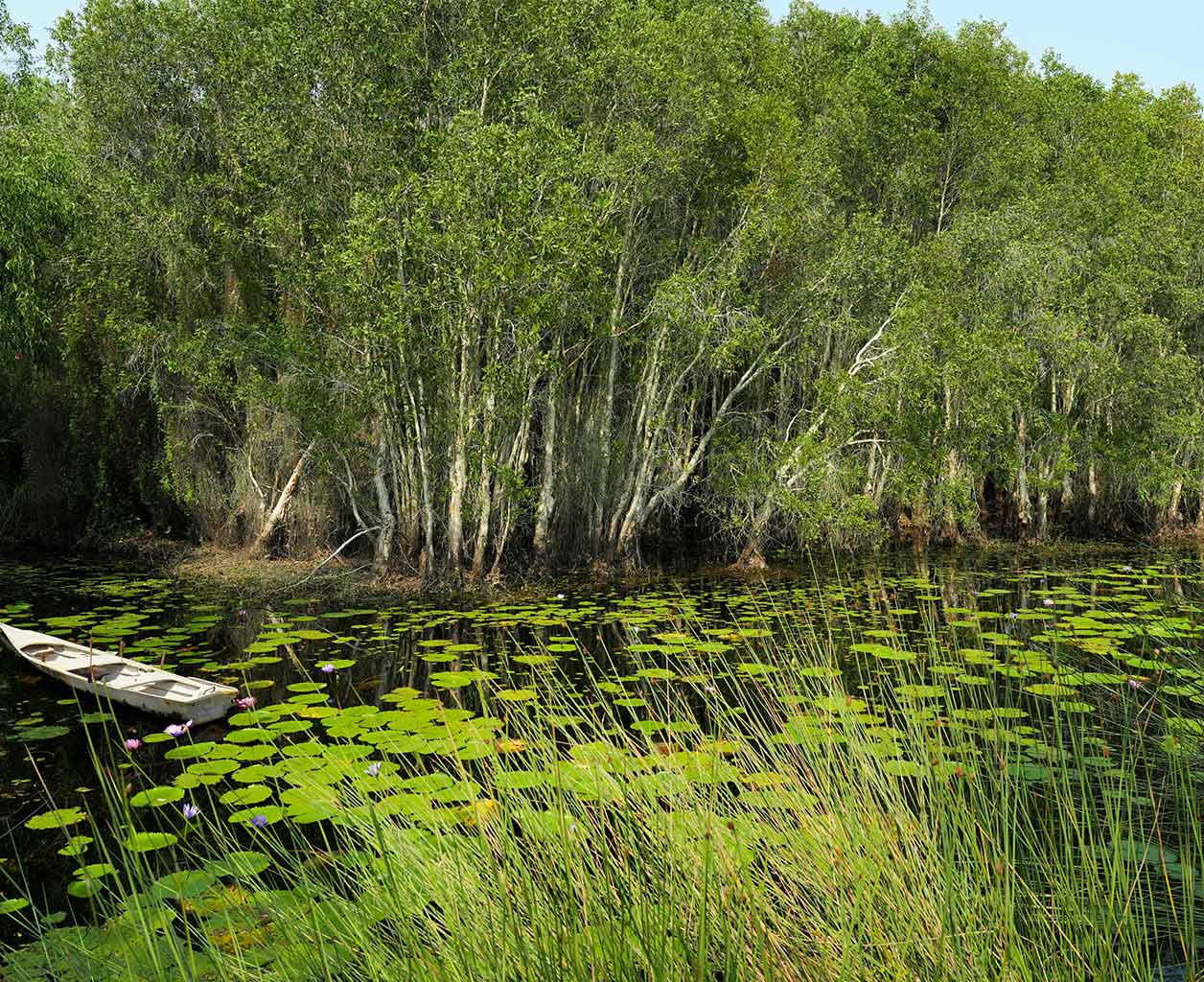
A beautiful pond is about much more than clear water. Beneath the surface, a complex ecosystem is constantly at work. Fish, aquatic plants, beneficial [...]
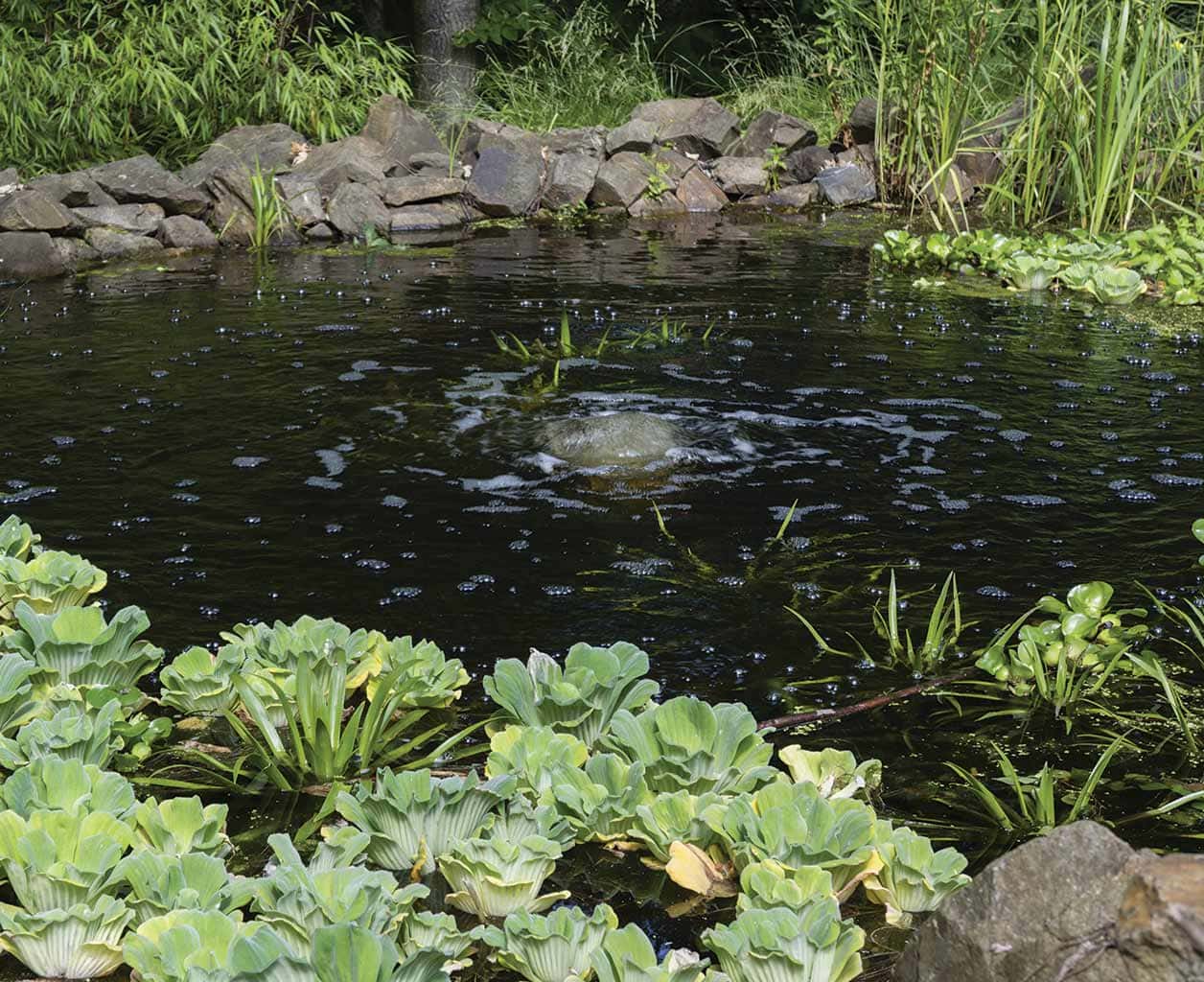
Maintaining a healthy pond in Illinois requires more than simply treating algae when it appears. Ponds are living ecosystems that depend on proper oxygen [...]
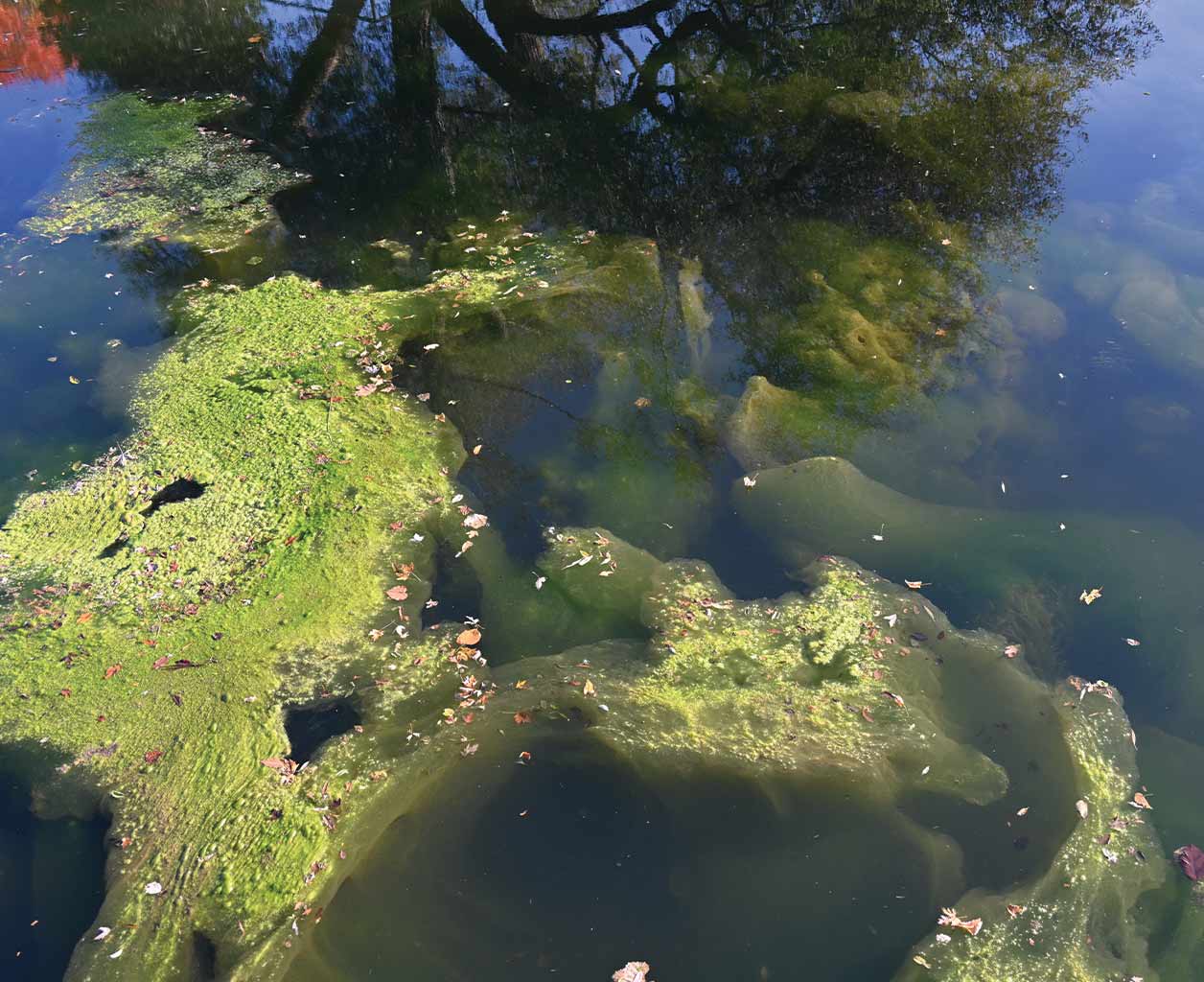
If your pond suddenly looks green, cloudy, or covered in algae during the summer, you’re not alone. Pond owners throughout Illinois deal with seasonal [...]