Fall is an important time for establishing native vegetation around lakes, ponds, wetlands, and other natural areas. Cooler conditions provide an opportunity to introduce native seeds that can settle into the landscape and prepare for growth when favorable conditions return.
These benefits extend well beyond adding greenery to your shoreline.
Native vegetation can help stabilize soil, filter runoff, provide wildlife habitat, increase biodiversity, and create a natural buffer between surrounding land and your waterbody.
Here’s why native seeding can be such an important part of fall shoreline restoration.
What Is Native Seeding?
Native seeding is the process of establishing plant species that are naturally suited to a region and its environmental conditions.
Rather than relying on turfgrass or a limited number of ornamental plants along a shoreline, native seeding uses a carefully selected mixture of grasses, sedges, rushes, and flowering plants to establish a diverse plant community.
The appropriate seed mix depends on the site. Soil conditions, sunlight, moisture, shoreline elevation, existing vegetation, erosion concerns, and restoration goals can all influence which species are selected.
The objective isn’t simply to grow more plants. It’s to establish the right plants in the right places to create a functional, resilient shoreline.
Why Fall Is Native Planting Season
Spring may get most of the attention when it comes to planting, but fall provides an important window for native seeding.
Many native seeds benefit from exposure to natural winter conditions before germinating. When planted in the fall, seeds can remain in place through winter and be ready to respond as temperatures and soil conditions become favorable.
Fall planting also allows restoration work to take advantage of cooler conditions while getting a head start on the following growing season.
Instead of waiting until spring to begin planning your shoreline, fall seeding puts the foundation in place now.
Native Plants Help Stabilize Shorelines
One of the biggest advantages of native vegetation is what you can’t see.
Below ground, many native species develop extensive root systems. Those roots help hold soil in place, strengthening the shoreline and reducing its vulnerability to erosion.
This can be particularly valuable along areas affected by runoff, fluctuating water levels, waves, or other forces that gradually wear away exposed soil.
Above ground, vegetation also helps protect the soil surface and slow moving water.
The result is a living shoreline that doesn’t just look natural—it actively contributes to shoreline stability.
A Natural Filter for Your Waterbody
What happens on land can have a major impact on the water nearby.
Rainfall and stormwater can move across surrounding properties and carry soil, nutrients, and other materials toward a lake or pond. When a shoreline has little vegetation, there may be less standing between that runoff and the water.
A well-established native buffer helps slow and filter runoff before it reaches the shoreline.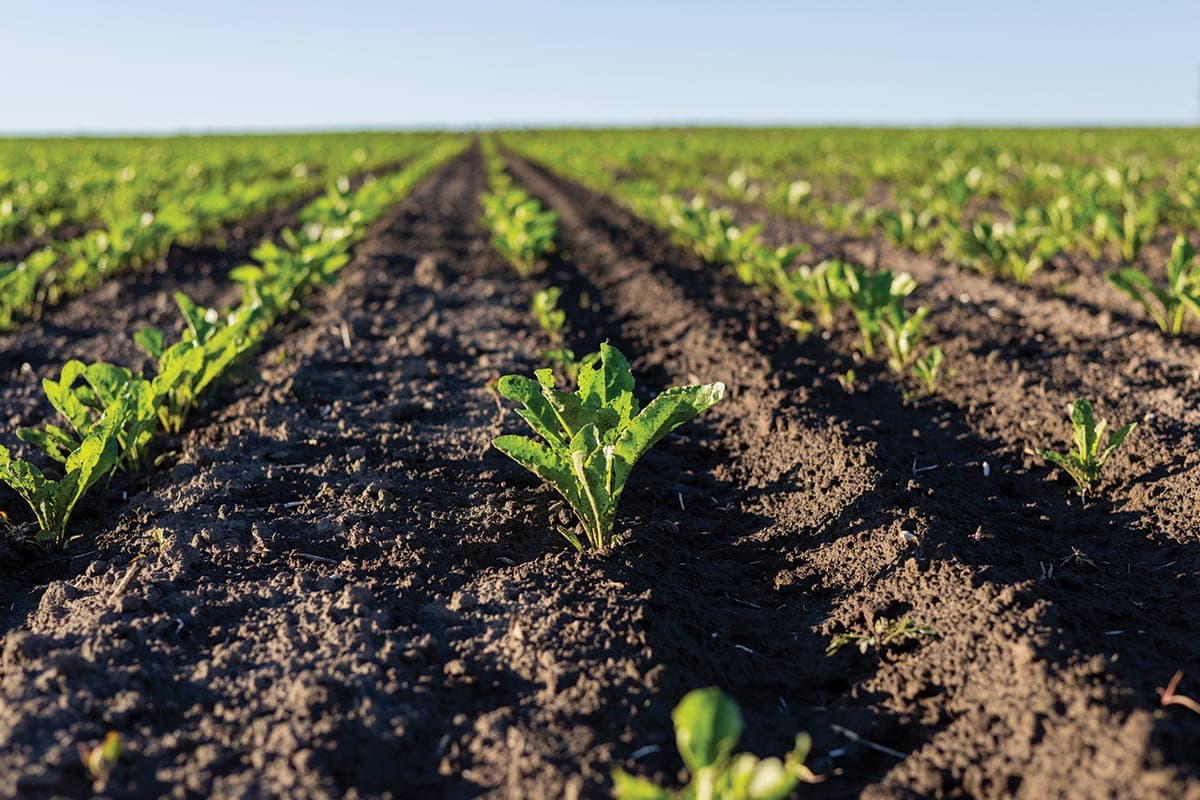
Reducing the amount of sediment and excess nutrients entering a waterbody can support better overall water quality and complement other strategies such as nutrient management and aquatic vegetation control.
In other words, shoreline restoration can help protect what’s happening both along the water and beneath the surface.
More Plants, More Habitat
Native shoreline vegetation also creates valuable habitat.
A diverse mixture of grasses, sedges, rushes, and flowering plants can provide food, shelter, nesting areas, and other resources for pollinators, birds, and wildlife.
Greater plant diversity also creates a more complex and resilient ecosystem than a shoreline dominated by a single species.
For property owners dealing with dense stands of cattails or other aggressive vegetation, native restoration can be particularly valuable. Rather than simply removing unwanted growth and leaving an empty shoreline, native planting and seeding can help establish desirable vegetation in its place.
Why Cattail Replacement?
Removing excessive cattails may restore views and access, but what happens afterward is just as important.
Without a plan for replacement vegetation, open areas may once again become vulnerable to undesirable or aggressive plant growth.
Native seeding can be incorporated into cattail management and shoreline restoration to create greater diversity after unwanted vegetation has been controlled or removed.
Depending on the site, a restoration plan might include a combination of mechanical removal, targeted vegetation treatments, prescribed burning, native seeding, and ongoing stewardship.
The goal isn’t simply less vegetation. It’s better vegetation.
Native Shorelines Can Be Beautiful, Too
Ecological function doesn’t have to come at the expense of appearance.
Thoughtfully designed native plantings can add seasonal color, texture, movement, and visual interest around a waterbody while maintaining a more natural aesthetic.
Different species emerge, bloom, and change throughout the growing season, creating a shoreline that evolves throughout the year.
And unlike a traditional manicured edge, that landscape is working behind the scenes to stabilize soil, intercept runoff, and provide habitat at the same time.
Native Seeding Is an Investment in the Future
Restoration doesn’t happen overnight.
Native plant communities take time to establish, and the appearance of a newly seeded shoreline will change as different species develop. Continued management may also be necessary to control invasive plants and help desirable species become established.
That’s why successful native seeding should be viewed as part of a long-term stewardship strategy rather than a one-time landscaping project.
The work that begins this fall can contribute to a stronger, more diverse shoreline for years to come.
Start Your Shoreline Restoration This Fall
Fall is native planting season—and an opportunity to start building a healthier shoreline before next spring arrives.
Whether you’re replacing dense cattails, restoring an eroded shoreline, expanding native habitat, or looking for ways to better protect your lake or pond, McCloud Aquatics can develop a restoration plan suited to your property’s conditions and goals.
From site preparation and native seeding to vegetation management and long-term stewardship, we’re here to help create shorelines that work with your waterbody, not against it.
Plant with purpose this fall. Contact McCloud Aquatics to start planning your native seeding and shoreline restoration project.