Summer is one of the best times to enjoy your pond or lake, but it’s also one of the most stressful seasons for fish populations. Rising temperatures, lower water levels, and declining oxygen can all create conditions that increase the risk of a summer fish kill.
Finding fish floating along the shoreline can be alarming, but fish kills are often the result of several environmental factors working together rather than a single event. Understanding why they happen, and how to reduce the risk, can help protect your pond and maintain a healthier aquatic ecosystem all season long.
What Is a Summer Fish Kill?
A summer fish kill occurs when a large number of fish die over a short period due to environmental stress. While fish kills can happen at any time of year, they’re most common during extended periods of hot weather or during wintertime.
During summertime, the primary cause is low dissolved oxygen. As water temperatures increase, oxygen becomes less available while fish require more of it to survive. When oxygen levels drop too low, fish become stressed and can quickly die if conditions don’t improve.
What Causes Summer Fish Kills?
Several factors can contribute to summer fish kills, and it’s often a combination of conditions rather than one single cause.
Hot Weather and Low Oxygen
Warm water naturally holds less dissolved oxygen than cool water. During prolonged periods of high temperatures, ponds lose water through evaporation while fish experience increased stress and oxygen demand.
At the same time, aquatic plants and algae continue to consume oxygen, especially overnight, leaving fish deprived of oxygen.
Pond Turnover
After an extended dry spell, a heavy rainfall can trigger a phenomenon known as pond turnover.
During turnover, oxygen-poor water from the bottom of the pond mixes with surface water. As decaying organic material is stirred up, oxygen demand increases rapidly, causing dissolved oxygen levels to drop throughout the pond.
Harmful Algal Blooms
Summer heat and excess nutrients create ideal conditions for harmful algal blooms.
While algae are a natural part of aquatic ecosystems, excessive blooms can become problematic. As algae die and decompose, they consume large amounts of dissolved oxygen, leaving fish with even less available.
Some harmful algal blooms may also produce toxins that can impact fish, pets, wildlife, and humans.
Stormwater Runoff
Heavy rain can wash fertilizers, grass clippings, leaves, oils, and other pollutants into ponds and lakes. These materials introduce contaminants and chemicals into the water that place additional stress on aquatic life.
Organic Sediment Buildup
Leaves, dead algae, and other organic debris naturally settle to the bottom of ponds over time.
As this material decomposes, it consumes oxygen and releases nutrients back into the water, creating conditions that make fish kills more likely during hot summer months.
Signs Your Fish May Be Under Stress
Fish often show warning signs before a large-scale fish kill occurs. Watch out for:
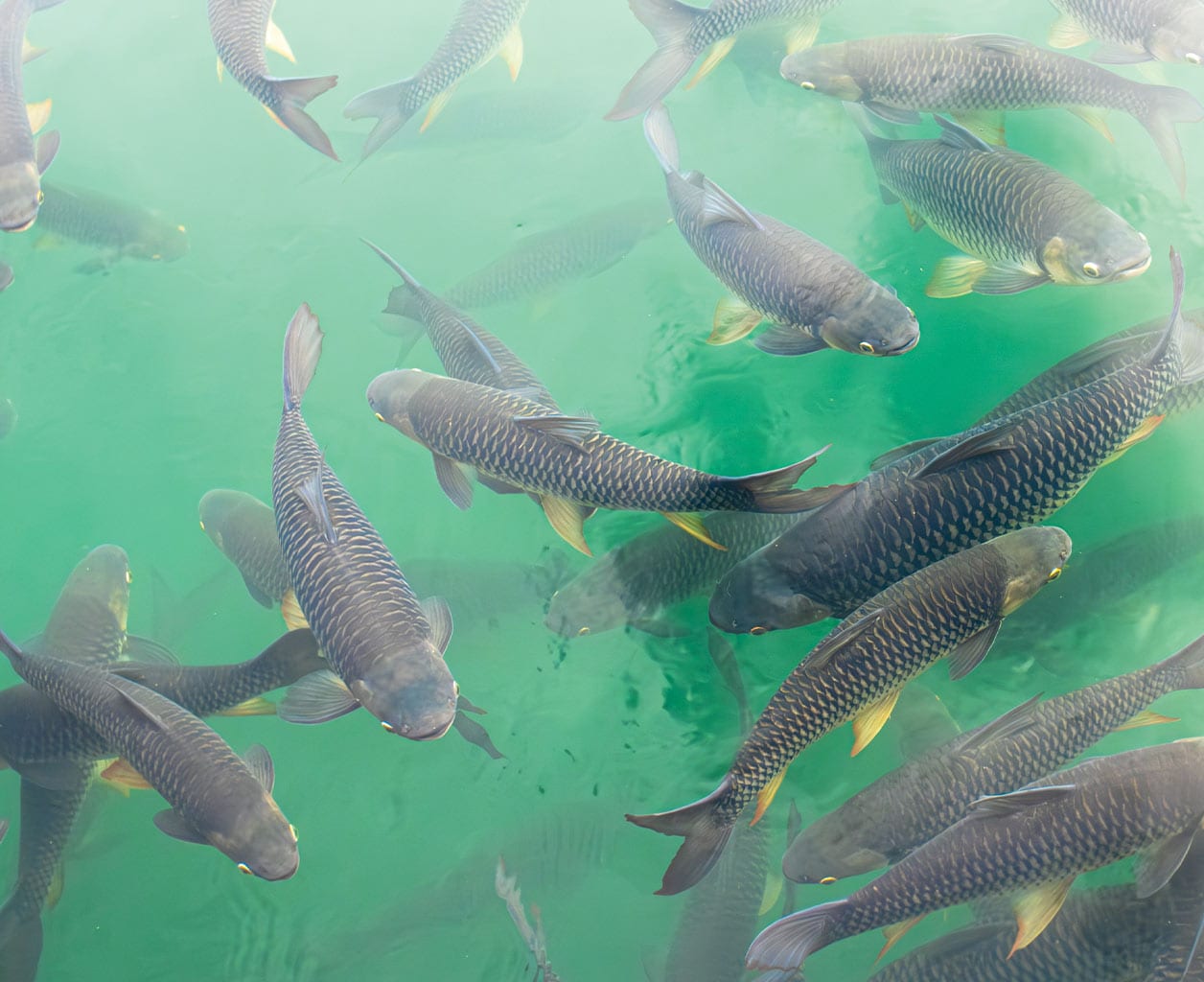
- Fish gathering near the surface and gulping air
- Fish swimming on their sides or belly up
- Fish floating near the shoreline
- Sudden declines in water clarity
- Unpleasant odors coming from the pond
Larger fish are often affected first because they require more oxygen than smaller fish. If you notice these signs, it’s important to act quickly to reduce further stress on your waterbody.
How to Help Prevent Summer Fish Kills
While weather can’t be controlled, proactive pond management can significantly reduce the risk of fish kills.
Install an Aeration System
Aeration is one of the most effective ways to improve dissolved oxygen levels and maintain healthy water circulation.
By continuously moving water throughout the pond, aeration helps support fish, beneficial bacteria, and the overall aquatic ecosystem while reducing stagnant conditions.
Reduce Excess Nutrients
Managing phosphorus and nitrogen helps reduce the fuel available for algae growth.
Nutrient management programs can help improve long-term water quality while lowering the risk of harmful algal blooms and oxygen depletion.
Monitor Water Quality
Routine water quality monitoring allows potential issues to be identified before they become serious.
Tracking dissolved oxygen, nutrient levels, and overall water quality helps pond managers make informed decisions throughout the season.
Remove Organic Debris
Leaves, grass clippings, and decaying vegetation consume oxygen as they break down.
Regularly removing organic material helps reduce oxygen demand and limits the nutrients available for algae growth.
Develop a Proactive Lake and Pond Management Plan
The best defense against summer fish kills is consistent, year-round management.
Combining aeration, nutrient management, vegetation control, shoreline maintenance, and routine monitoring creates a healthier, more resilient pond that’s better equipped to withstand seasonal stress.
Don’t Wait Until Fish Are Floating
Many pond owners don’t realize there’s a problem until fish begin appearing along the shoreline. By then, dissolved oxygen levels may have already reached dangerous levels.
Taking proactive steps before extreme summer heat arrives can help protect your fish population and improve the long-term health of your waterbody.
Whether you manage a residential pond, HOA lake, golf course water feature, or commercial retention basin, investing in preventative management today can help avoid costly problems tomorrow.
Keep Your Pond Healthy This Summer with McCloud Aquatics
Summer fish kills are often preventable with the right management strategies.
At McCloud Aquatics, we provide customized pond management programs designed to improve water quality, increase dissolved oxygen, reduce nutrient buildup, and support healthy aquatic ecosystems throughout the summer.
From aeration and nutrient management to algae control and water quality monitoring, our team can help keep your pond balanced all season long.