Fire might not be the first thing that comes to mind when you think about restoring a shoreline. But when carefully planned and performed by trained professionals, prescribed burns can be an effective tool for managing vegetation and supporting healthier native landscapes.
Prescribed fire mimics a natural process that has shaped prairies, wetlands, and other native ecosystems for generations. By strategically removing accumulated plant material and suppressing unwanted vegetation, a prescribed burn can create better conditions for native species to grow and thrive.
For lake and pond owners, it can also be an important part of a larger shoreline restoration and stewardship plan.
What Is a Prescribed Burn?
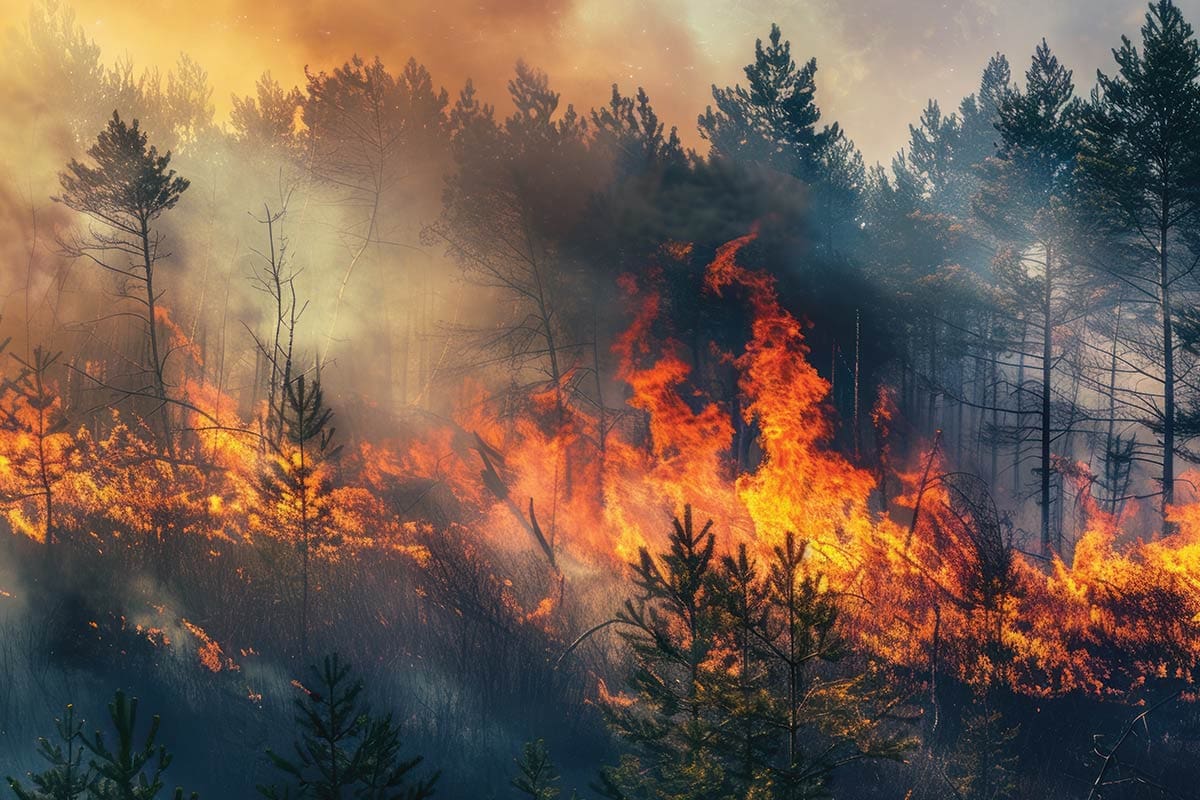
A prescribed burn, sometimes called a controlled burn, is the intentional use of fire under carefully planned conditions to accomplish specific land and vegetation management goals.
Unlike an uncontrolled wildfire, a prescribed burn is planned in advance. Factors such as weather, wind, site conditions, surrounding property, vegetation, and management objectives are considered before work begins.
For shoreline and natural-area management, prescribed burns may be used to remove accumulated dead vegetation, manage undesirable plant growth, and encourage the regeneration of native plant communities.
Why Use Fire for Shoreline Restoration?
Healthy shorelines are dynamic ecosystems. Over time, however, invasive plants, woody vegetation, and layers of dead plant material can change the composition of a site and make it more difficult for desirable native species to thrive.
That’s where prescribed fire can play an important role.
A properly managed burn removes above-ground plant material and opens the landscape, allowing sunlight to reach the soil and giving established native vegetation an opportunity to respond.
Because many native plant communities are adapted to periodic fire, prescribed burning can become an important tool for maintaining the landscape you’ve worked to restore.
Benefits of Prescribed Burns
When appropriate for the site and incorporated into a larger management strategy, prescribed burns can offer several benefits.
Manage invasive and undesirable vegetation
Prescribed fire can help reduce competition from certain unwanted plants and prevent vegetation from becoming overly dense.
Encourage native plant growth
Removing accumulated vegetation can create space and sunlight for desirable native species to emerge and flourish.
Reduce excess plant material
Dead stems, leaves, and other vegetation can build up over time. A prescribed burn helps clear this material and reset the landscape.
Support biodiversity
Creating better conditions for a diverse native plant community can, in turn, provide valuable habitat for pollinators, birds, and other wildlife.
Maintain previous restoration work
Shoreline restoration isn’t a one-and-done project. Prescribed burning can be incorporated into long-term stewardship programs to help maintain the health and diversity of an established native landscape.
Prescribed Burns Are Part of a Bigger Picture
The goal of a prescribed burn isn’t simply to remove vegetation. It’s to influence what grows back.
That’s why prescribed fire can be especially valuable when paired with other shoreline management practices, including invasive species management, native planting and seeding, erosion control, and ongoing stewardship.
For example, a site dominated by undesirable vegetation may require treatment before a prescribed burn. Following the burn, native seeding or planting may be used to increase plant diversity and fill areas where desirable vegetation is lacking.
The exact approach depends on the shoreline, existing plant community, and long-term goals for the property.
What Happens After a Prescribed Burn?
Immediately following a burn, a site can look dramatically different. Much of the old above-ground vegetation has been removed, leaving a more open landscape.
As growing conditions return, desirable native vegetation can re-emerge from established root systems, while additional native seeding or planting can help build greater diversity.
Over time, continued stewardship helps maintain that balance and prevent unwanted vegetation from regaining control.
Is a Prescribed Burn Right for Your Shoreline?
Not every shoreline requires prescribed fire, and successful restoration rarely relies on a single management technique.
The first step is understanding what’s currently growing, identifying the challenges affecting the site, and determining what you want the shoreline to become.
McCloud Aquatics can evaluate your property and develop a shoreline management strategy that may incorporate prescribed burns alongside native planting, invasive vegetation management, erosion control, and ongoing stewardship.
Restore With a Long-Term Plan
Prescribed burns provide a powerful tool for resetting vegetation and creating opportunities for native plants to thrive, but the greatest benefits come when fire is incorporated into a thoughtful, long-term restoration strategy.
Whether you’re managing an established native shoreline or looking to bring an overgrown area back into balance, McCloud Aquatics can help develop a plan designed around your property and waterbody.
Ready to give your shoreline a fresh start? Contact McCloud Aquatics to learn more about prescribed burns and shoreline restoration.