
Algae play a vital role in pond ecosystems by producing oxygen and supporting aquatic life, which makes proper balance and maintenance essential.
Algae? What’s That?
Algae represent an incredibly diverse collection of photosynthetic organisms that flourish in aquatic environments. With more than 350,000 species identified, their forms range from microscopic, single-celled entities suspended in water to massive, complex vegetative structures.
Unlike plants, algae lack a vascular system for transporting nutrients and water, even though they similarly harness sunlight to produce their own food. Understanding algae unlocks fascinating insights into their ecological roles and surprising versatility—let’s dive in and discover more!
Algae’s Bright Side: Benefits You Should Know
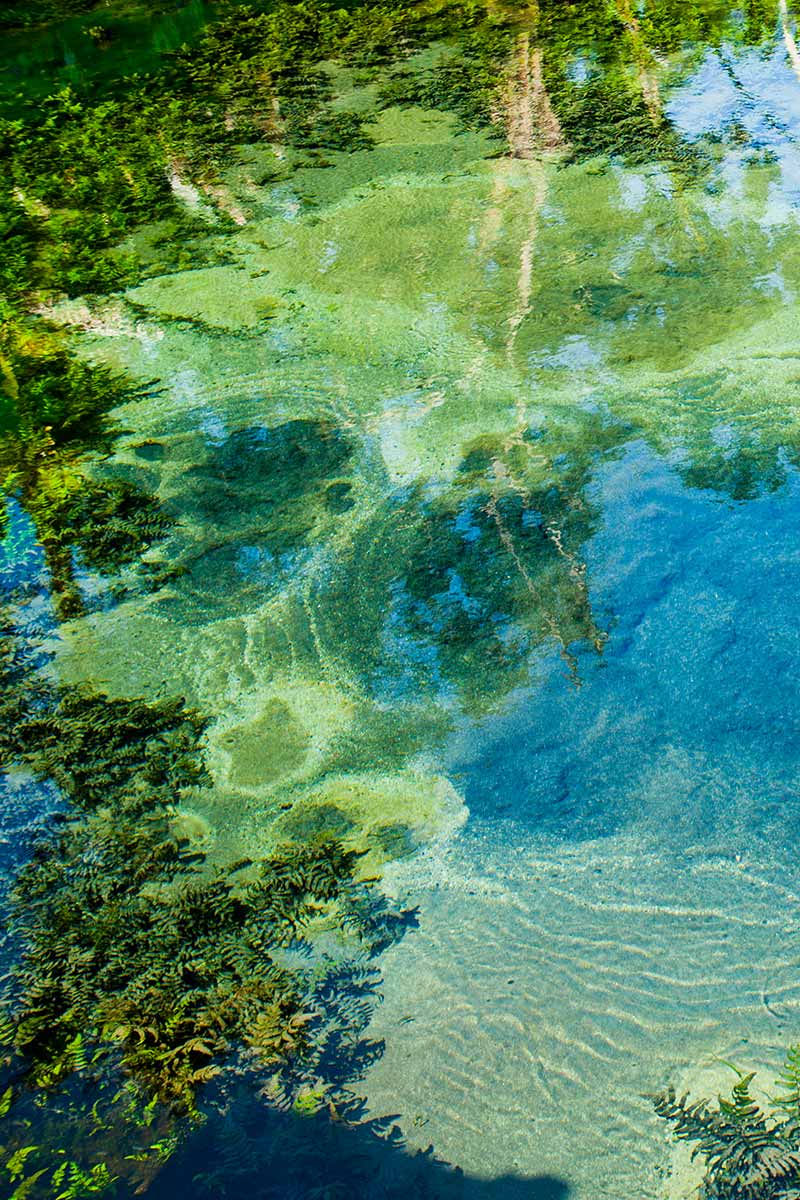
Algae play a pivotal role in aquatic ecosystems, serving as essential photosynthetic organisms. They significantly impact the health of lakes and ponds by producing oxygen during photosynthesis, which sustains fish and beneficial microorganisms.
Furthermore, algae provide a critical food source for microscopic organisms like zooplankton, forming the foundation of the aquatic food chain. By absorbing excess nutrients, such as nitrogen and phosphorus, algae help maintain water quality and reduce the likelihood of harmful blooms.
Additionally, certain types of algae offer habitat and protection to small aquatic creatures, including invertebrates and fish. When nutrient levels are balanced, algae contribute positively to the overall stability and vitality of water ecosystems.
When Algae Go Rogue: Issues & Risks
When algae grow excessively or invasive types dominate, they can negatively impact your pond’s health. While algae generate oxygen through photosynthesis during daylight, they consume it at night. An overgrowth can cause dangerously low oxygen levels overnight, putting fish and other aquatic life at risk. Moreover, when large blooms suddenly die off due to changes in temperature, chemical treatments, or other factors, their decomposition depletes oxygen further, potentially leading to fish deaths.
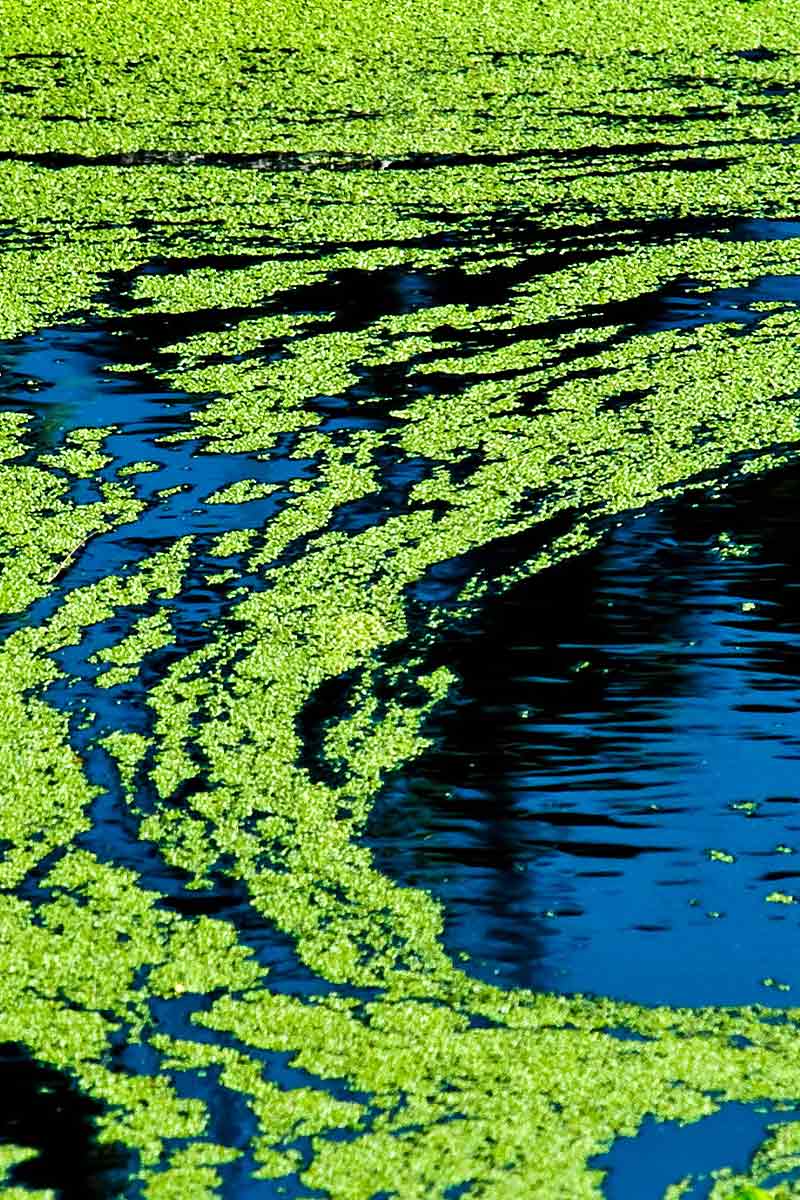
Some algae, such as blue-green algae (cyanobacteria), can release harmful toxins that pose threats to fish, wildlife, pets, and even humans. These Harmful Algal Blooms (HABs) may retain toxins even after the bloom fades, although quick tests can determine whether a bloom is hazardous. Additionally, dense algae growth can form mats that block sunlight, preventing underwater plants from thriving. This disruption can harm the ecosystem and reduce biodiversity within the pond. Keeping nutrient levels in check helps to avoid such imbalances.
If you notice an abundance of algae or are worried about Harmful Algal Blooms, give us a call. We will perform water testing to determine the health of your lake or pond.
When Algae Turns Ugly: Visual Impacts on Aquatic Environments
Planktonic algae can discolor water, giving it a green or brown appearance reminiscent of pea soup or muddy conditions, while filamentous algae form unsightly surface mats that can suffocate aquatic plants. Removing filamentous algae manually with tools like rakes offers an instant improvement in the water’s appearance.
When using EPA-approved algaecides to manage algae overgrowth, treating the waterbody in smaller sections is recommended. This approach minimizes the risk of an oxygen depletion event caused by the rapid decomposition of excessive algae.
McCloud Aquatics: Your Partner in Algae Control & Sustainable Water Solutions
Maintaining a healthy lake or pond means achieving the right balance, where a small amount of algae is a natural and beneficial part of the ecosystem. Issues arise when algae overgrowth takes over—whether it’s forming thick surface mats like filamentous algae or turning the water murky and green with planktonic algae. Instead of aiming to eradicate algae entirely, the focus should be on restoring harmony to your aquatic environment.
If your waterbody seems overwhelmed by excessive algae growth, our specialists at McCloud Aquatics are here to help. We’ll evaluate the situation and implement effective strategies to reduce algae, keeping your lake or pond vibrant and flourishing throughout the season.
McCloud Aquatics’ Water Management Services
Discover our services designed to address algae control, aquatic weed management, and ecosystem restoration. Let us be your trusted partner for professional water management solutions.